There are three ways people try to raise carnosine, the acid buffer stored in your muscles: swallow beta-alanine, swallow carnosine, or rub a carnosine gel on the skin. They work on very different timelines, and the evidence behind each is not equal.
This guide compares all three on what matters: what's actually been measured in muscle, how long each takes, what the performance research shows, side effects and cost.
Click to enlarge
The Short Answer
Why Muscle Carnosine Matters
Carnosine is a dipeptide your body builds from two amino acids, beta-alanine and histidine. Most of it sits in skeletal muscle, especially fast-twitch fibers. During hard efforts, carnosine helps buffer the acid that builds up in working muscle. More: what carnosine is, how your body makes it and how it buffers acid.
Histidine is plentiful in a normal diet, so beta-alanine is the limiting ingredient: muscle carnosine synthesis is limited by how much beta-alanine is available. That's why taking beta-alanine raises muscle carnosine, and why the research on carnosine levels and performance has mostly been done with beta-alanine.
Route 1: Beta-Alanine
Beta-alanine is the best-studied route by a wide margin.
What's been measured in muscle: In a biopsy study of the thigh muscle, beta-alanine (starting at 4 g a day and rising to 6.4 g) raised muscle carnosine by 58.8% after 4 weeks and 80.1% after 10 weeks. Cycling capacity at 110% of maximum power rose 13.0% at 4 weeks, with a further 3.2% at 10 weeks (Hill et al., 2007).
Muscle carnosine with daily beta-alanine (human biopsy study)
% increase from baseline
After 4 weeks
After 10 weeks
| Row | Beta-alanine |
|---|---|
| After 4 weeks | 58.8% |
| After 10 weeks | 80.1% |
What the performance research shows: The ISSN position stand concludes that 4 to 6 g a day for at least 2 to 4 weeks improves exercise performance, with the clearest effects in all-out tasks lasting 1 to 4 minutes (Trexler et al., 2015). A meta-analysis of 40 double-blind, placebo-controlled studies found a small but significant overall effect (effect size 0.18), larger for exercise capacity in efforts of 30 seconds to 10 minutes (Saunders et al., 2017). An earlier meta-analysis put the median improvement at 2.85%, with no clear benefit for efforts under 60 seconds (Hobson et al., 2012).
The catches:
- It's slow. Benefits depend on loading over weeks.
- It tingles. Paraesthesia (pins and needles, often in the face and hands) is the only reported side effect. Divided doses of about 1.6 g or a sustained-release form reduce it.
- Most of it doesn't end up as carnosine. In one study only about 3% of ingested beta-alanine was incorporated into muscle carnosine. Taking it with meals improved loading (+64% vs +41% in the soleus) (Stegen et al., 2013).
- It fades slowly once you stop. Muscle carnosine declined about 2 to 4% a week after supplementation ended and returned to baseline within about 9 weeks at group level (Baguet et al., 2009).
Taking beta-alanine with meals improved loading
% increase in muscle carnosine (soleus)
With meals
Between meals
| Row | Increase in muscle carnosine |
|---|---|
| With meals | 64% |
| Between meals | 41% |
Route 2: Oral Carnosine
Swallowing carnosine itself sounds like the obvious shortcut. The problem is an enzyme in your blood called carnosinase, which rapidly splits carnosine into beta-alanine and histidine. Our guide to carnosinase covers it in depth.
What happens in the blood: After a large oral dose (60 mg per kg of body weight), only 8 of 25 healthy people showed any measurable rise in blood carnosine. Non-responders had about 1.5-fold higher carnosinase activity (Everaert et al., 2012). An earlier study found intact carnosine could cross the gut, but it was undetectable in plasma unless carnosinase was blocked in the sample, and people who trained regularly had the highest carnosinase activity (Gardner et al., 1991).
What happens in muscle: Oral carnosine can raise muscle carnosine over time. In a 4-week study, carnosine given at a dose containing the same amount of beta-alanine as 6.4 g a day raised muscle carnosine about 65.8%, almost identical to 6.4 g of beta-alanine itself (64.2%) (Harris et al., 2006). The likeliest explanation is that the carnosine was broken down and its beta-alanine reused in muscle.
Muscle carnosine after 4 weeks: beta-alanine vs oral carnosine
% increase from baseline
Beta-alanine 3.2 g/day
Beta-alanine 6.4 g/day
Oral L-carnosine (beta-alanine-matched dose)
| Row | Increase in muscle carnosine |
|---|---|
| Beta-alanine 3.2 g/day | 42.1% |
| Beta-alanine 6.4 g/day | 64.2% |
| Oral L-carnosine (beta-alanine-matched dose) | 65.8% |
So oral carnosine works roughly like beta-alanine, but you need a heavier dose by weight to deliver the same beta-alanine, and it still takes weeks.
A newer twist: Researchers have tried taking carnosine together with anserine (a related compound that resists carnosinase) shortly before exercise. In double-blind trials, that combination raised power in the first 5 seconds of a Wingate test by about 6% and peak power across three Wingates by about 3% (Blancquaert et al., 2021). It's interesting, but it's early lab research with a specific high-dose protocol, not a standard supplement routine yet.
Route 3: Carnosine Gel
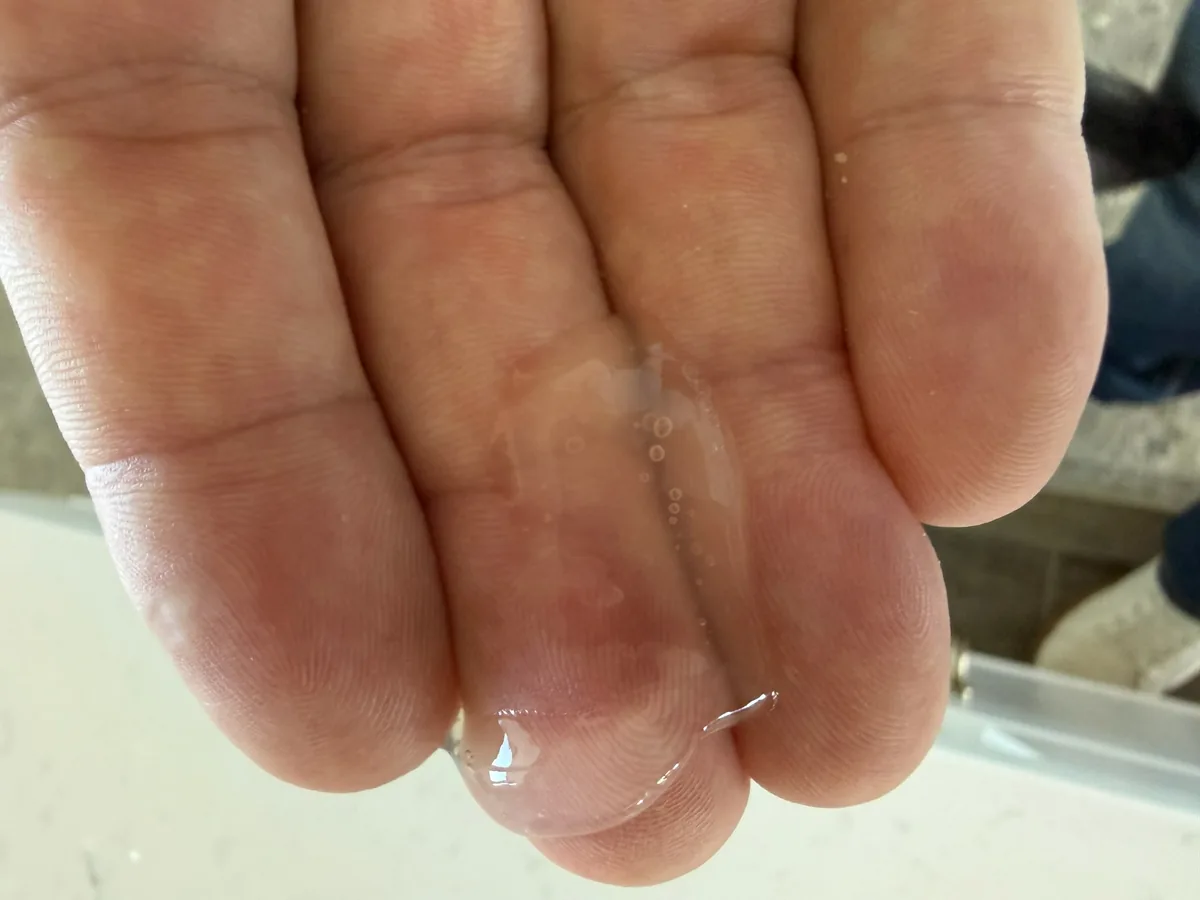
Carnosine gel takes a different approach: apply carnosine (often bound with magnesium) to the skin over the working muscle shortly before training, avoiding the gut and blood carnosinase entirely.
What's been measured in muscle: The only study so far to measure muscle carnosine after a carnosine gel was applied to the skin was done in horses. In 10 Thoroughbreds, muscle carnosine rose about 35% at 30 minutes and about 46% at 60 minutes from baseline, compared with −3% and +11% after a placebo gel (Dieter et al., 2021). This was an animal study funded by an equine-products company, and it hasn't been repeated in people. No human study has measured muscle carnosine after a gel.
What the performance research shows: Four small human trials (7 to 15 people each) split two positive, two null. The strongest, a triple-blind trial in 7 world-class rugby sevens players, found higher peak power in 3 of 12 sprints against a placebo gel that contained the same 1.25% menthol, with no change in mean power (Beaven et al., 2025). Two cycling trials of 15 riders found no difference from placebo (Harnish & Miller, 2023; Harnish et al., 2025). Every study is graded in Does carnosine gel work?
Why some athletes like it anyway:
- No loading phase. Studies applied a single dose 40 to 60 minutes before exercise.
- No tingling. It isn't swallowed, so there's no beta-alanine paraesthesia.
- Fits a warm-up routine. Apply to the legs (or whichever muscles you're about to work) before you train.
- Tested-sport friendly. Informed Sport lists batches of at least one carnosine gel; always check your batch number.
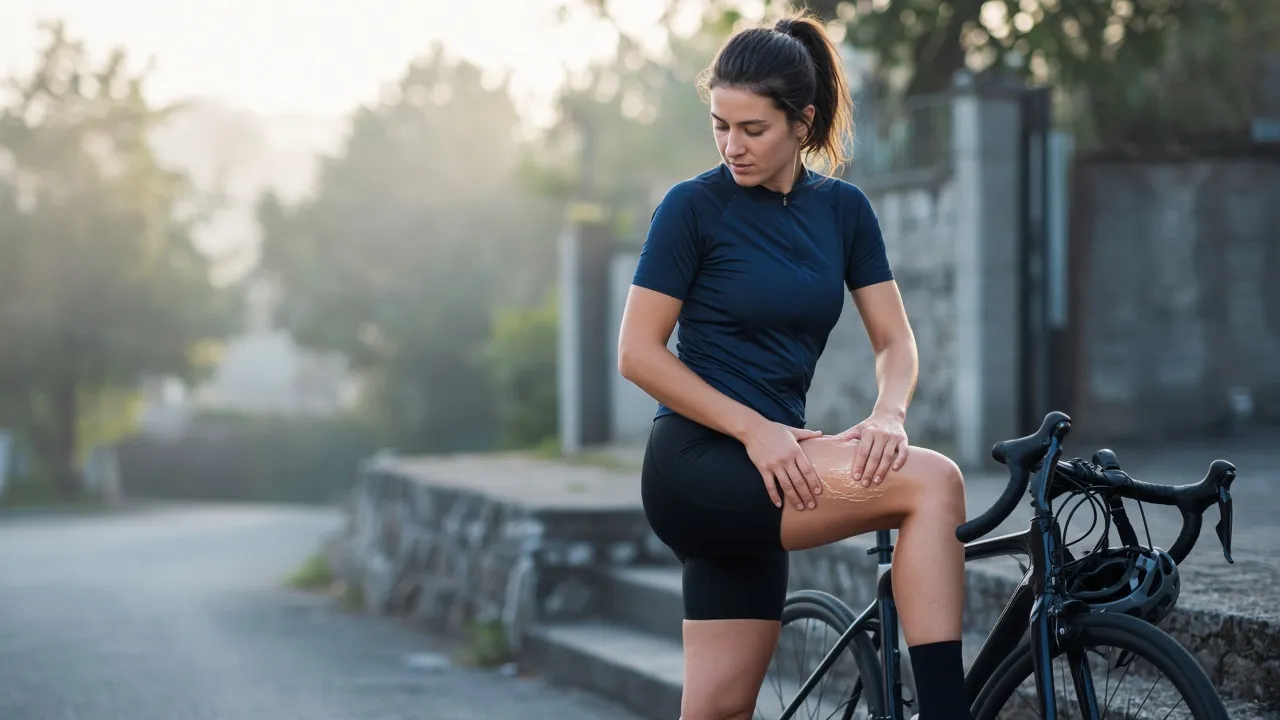
The catches: the evidence is small and mixed, human muscle uptake is unmeasured, and at study doses it costs more per session than powdered beta-alanine typically does.
[See carnosine gel on the official store (ships to the US, Canada and Australia) →](https://shop.lactigo.com/category/shop-all/0ZGan0000002eNxGAI?refcode=lactigogel)
Side-by-Side Comparison
| Beta-alanine | Oral carnosine | Carnosine gel | |
|---|---|---|---|
| How it's taken | Capsules or powder, daily | Capsules or powder, daily | Applied to skin before training |
| Human muscle carnosine measured? | Yes: +58.8% (4 wk), +80.1% (10 wk) | Yes: +65.8% (4 wk, high dose) | No (horses: +35% at 30 min, +46% at 60 min from baseline) |
| Typical protocol in studies | 4–6 g/day for 2–4+ weeks | Beta-alanine-matched dose for 4 weeks | 10 mL (or 15 g), once, 40–60 min before |
| Main obstacle | Slow; only ~3% becomes muscle carnosine | Broken down by blood carnosinase | Unproven human uptake |
| Performance evidence | Many trials and meta-analyses; small but consistent effect in 1–4 min efforts | Mainly as a beta-alanine source; acute carnosine + anserine is early-stage | 4 small trials: 2 positive, 2 null |
| Side effects reported | Tingling (paraesthesia) | Not well studied at performance doses | None in the trials that reported them; menthol versions carry standard topical label warnings |
| Cost per day | Low per gram (check current prices) | Higher; more grams needed | About $5.50 per 10 mL application (US, 100 mL size) |
Click to enlarge
Can You Combine Them?
Nothing in the research suggests the routes conflict, and some athletes do both: beta-alanine daily for the long build, plus a carnosine gel before key sessions. But no study has tested that combination, so nobody can tell you whether it adds anything beyond beta-alanine alone.
If you compete in tested sport, choose products with batch-tested certification (such as Informed Sport) for anything you take or apply. If you have a medical condition, are pregnant or take medication, ask a professional first.
Wondering how topicals compare with supplements in general? See topical muscle rubs vs oral supplements.
Which Route Fits You?
| If you… | Consider |
|---|---|
| Want the most proven way to raise muscle carnosine and can wait 4+ weeks | Beta-alanine with meals, split doses |
| Hate the tingling from beta-alanine | Split doses or sustained-release beta-alanine, or try carnosine gel |
| Want something for a single session with no loading | Carnosine gel, 40–60 min before |
| Are thinking about plain carnosine capsules for performance | Beta-alanine does the same job for less |
| Play sports built on repeated sprints (rugby, football, hockey) | Beta-alanine for the base; carnosine gel is worth testing on top |
| Mostly do long, steady endurance work | Carnosine research is weakest here; prioritize training and fueling |
The Bottom Line
Which actually raises muscle carnosine? In humans, beta-alanine is proven, and oral carnosine works mainly by turning into beta-alanine. Carnosine gel is the only option built for same-session use, but its muscle data come from horses, and its human performance trials are small and mixed.
If you want a proven build, start beta-alanine and give it a month. If you want a quick pre-session option without loading or tingling, carnosine gel is the one to test in your own training. Try carnosine gel for yourself →
Curious about carnosine gel?
LactiGo is the topical carnosine gel we write about most on this site. See the ingredients, sizes and current prices on the official LactiGo shop.
Get LactiGoAffiliate disclosure: CarnosineGel.com is an independent LactiGo affiliate and earns a commission if you buy through links on this page, at no extra cost to you.
Keep reading: Does carnosine gel work? Every human study, graded and carnosine and repeated-sprint performance.
Frequently Asked Questions
Is carnosine better than beta-alanine?
For raising muscle carnosine, oral carnosine and beta-alanine performed about the same in a 4-week study (+65.8% vs +64.2%), because carnosine is mostly broken down into beta-alanine. Beta-alanine does it with fewer grams and has far more performance research, so for most people it's the better oral choice.
Does carnosine gel raise muscle carnosine?
It has only been measured in horses. In 10 Thoroughbreds, muscle carnosine rose about 35% at 30 minutes and 46% at 60 minutes from baseline after a carnosine gel, versus −3% and +11% with placebo. No human study has measured muscle carnosine after a gel.
How long does beta-alanine take to work?
The ISSN says 4 to 6 g a day for at least 2 to 4 weeks. In a biopsy study, muscle carnosine was up 58.8% at 4 weeks and 80.1% at 10 weeks, and it takes several weeks to fade after you stop.
Why does beta-alanine make you tingle?
The tingling, called paraesthesia, is a common, usually short-lived pins-and-needles feeling after larger single doses of beta-alanine, and the ISSN lists it as the only reported side effect. It can be reduced by splitting the daily amount into doses of about 1.6 g or using a sustained-release form.
Is oral carnosine destroyed in the body?
Much of it is. The enzyme carnosinase in blood rapidly breaks carnosine down; after a large oral dose, only 8 of 25 people showed a measurable rise in blood carnosine. The beta-alanine released can still be used by muscle to make carnosine over weeks.
Can I use carnosine gel and beta-alanine together?
Nothing in the research suggests they conflict, and some athletes use beta-alanine daily plus a gel before key sessions. No study has tested the combination, though, so any added benefit is unknown. Check with a professional if you have health conditions.
References
1. Trexler ET, et al. International Society of Sports Nutrition position stand: beta-alanine. J Int Soc Sports Nutr. 2015;12:30. PubMed 26175657
2. Hill CA, et al. Influence of beta-alanine supplementation on skeletal muscle carnosine concentrations and high intensity cycling capacity. Amino Acids. 2007;32(2):225–233. PubMed 16868650
3. Harris RC, et al. The absorption of orally supplied beta-alanine and its effect on muscle carnosine synthesis in human vastus lateralis. Amino Acids. 2006;30(3):279–289. PubMed 16554972
4. Saunders B, et al. β-alanine supplementation to improve exercise capacity and performance: a systematic review and meta-analysis. Br J Sports Med. 2017;51(8):658–669. PubMed 27797728
5. Hobson RM, et al. Effects of β-alanine supplementation on exercise performance: a meta-analysis. Amino Acids. 2012;43(1):25–37. PubMed 22270875
6. Stegen S, et al. Meal and beta-alanine coingestion enhances muscle carnosine loading. Med Sci Sports Exerc. 2013;45(8):1478–1485. PubMed 23439427
7. Baguet A, et al. Carnosine loading and washout in human skeletal muscles. J Appl Physiol. 2009;106(3):837–842. PubMed 19131472
8. Everaert I, et al. Low plasma carnosinase activity promotes carnosinemia after carnosine ingestion in humans. Am J Physiol Renal Physiol. 2012;302(12):F1537–F1544. PubMed 22496410
9. Gardner ML, et al. Intestinal absorption of the intact peptide carnosine in man, and comparison with intestinal permeability to lactulose. J Physiol. 1991;439:411–422. PubMed 1910085
10. Blancquaert L, et al. Acute preexercise supplementation of combined carnosine and anserine enhances initial maximal power of Wingate tests in humans. J Appl Physiol. 2021;130(6):1868–1878. PubMed 33914660
11. Dieter BP, et al. Transdermal delivery of carnosine into equine skeletal muscle. Comp Exerc Physiol. 2021;17(5):429–434. doi:10.3920/CEP200077 (horse study)
12. Beaven CM, et al. Topical carnosine gel improves intermittent high-intensity exercise performance in world-class rugby sevens players. J Int Soc Sports Nutr. 2025;22(1):2550311. PubMed 40859880
13. Harnish CR, Miller B. Transdermal carnosine gel fails to improve repeated Wingate performance in trained male cyclists. J Sports Sci Nutr. 2023;4(2):106–111: https://www.allsportsjournal.com/article/193/4-2-10-951.pdf
14. Harnish CR, Holman ME, Bruneau ML Jr. An inconvenient truth: transdermal buffering lotions appear to offer no significant performance improvement. Physiologia. 2025;5(3):35. doi:10.3390/physiologia5030035