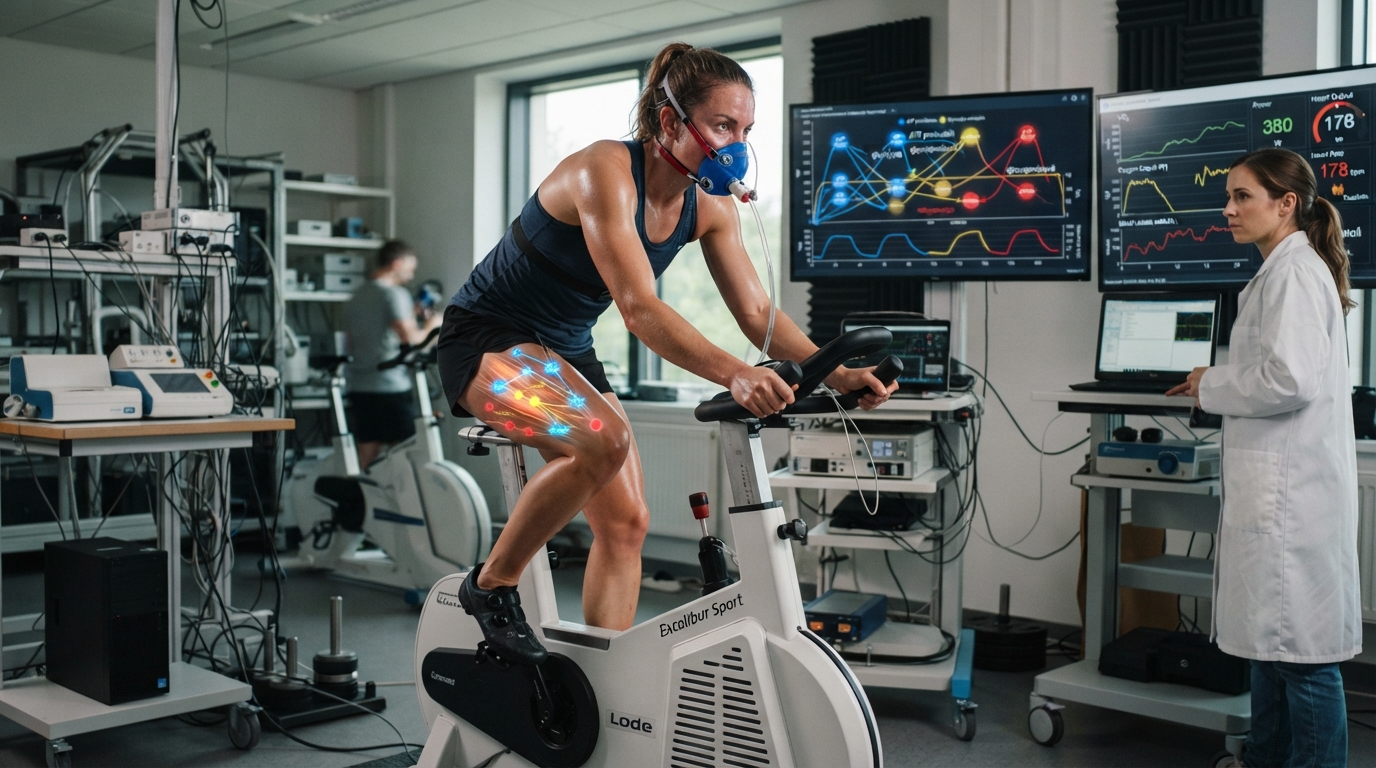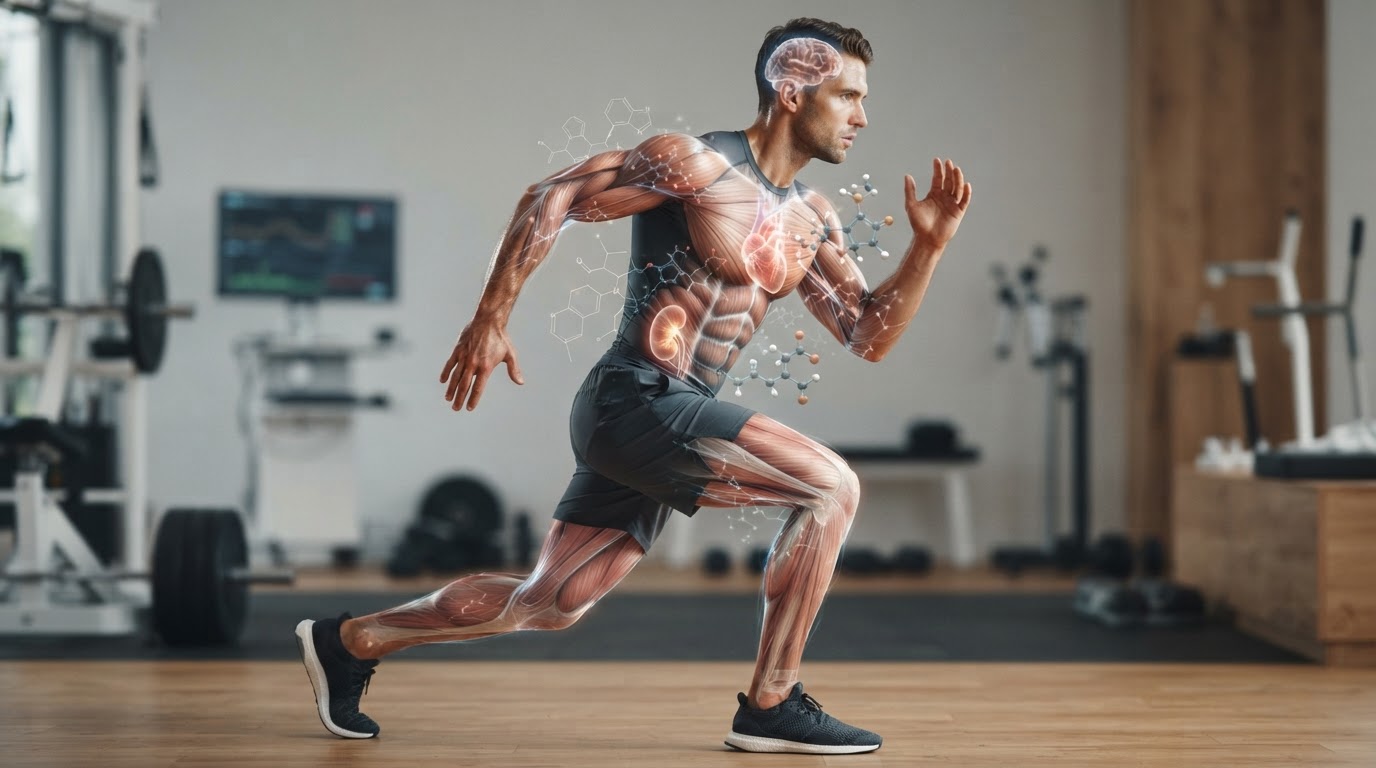
Carnosine is a naturally occurring dipeptide made from the amino acids beta-alanine and histidine. It is found at particularly high concentrations inside skeletal muscle, where one of its best-established functions is helping buffer changes in intracellular pH during intense muscular activity.
Research also suggests that carnosine can interact with reactive oxygen species, reactive aldehydes and other chemically reactive molecules. Scientists are investigating these properties in areas ranging from exercise physiology to aging and metabolic health, although many proposed applications remain less established than carnosine's role in muscle.
Understanding those distinctions matters. Evidence that carnosine performs a biochemical function does not automatically prove that a carnosine supplement, skincare ingredient, or topical product will produce a particular outcome.
This guide explains what researchers actually know.
Key Takeaways
- Carnosine is beta-alanyl-L-histidine, a molecule composed of beta-alanine and histidine.
- The human body produces carnosine using an enzyme called carnosine synthase.
- Skeletal muscle contains particularly high concentrations of carnosine.
- Its best-established physiological role is intracellular buffering in muscle, especially as muscle chemistry changes during intense exercise.
- Carnosine is also studied for antioxidant, reactive-aldehyde-scavenging, antiglycation and calcium-related properties, although these areas have different levels of evidence.
- Beta-alanine availability can limit carnosine synthesis in muscle, which explains why beta-alanine supplementation can increase muscle carnosine.
- Carnosine obtained orally can be broken down by an enzyme called carnosinase, particularly in human circulation.
- Research involving oral carnosine, beta-alanine, or naturally occurring muscle carnosine should not automatically be treated as evidence for topical or transdermal carnosine delivery.
Table of Contents
- What is carnosine?
- Is carnosine an amino acid?
- Where is carnosine found?
- How does the body make carnosine?
- What does carnosine do in muscle?
- Does carnosine reduce lactic acid?
- What else might carnosine do?
- Carnosine and oxidative stress
- Carnosine and glycation
- Carnosine and muscle contraction
- Carnosine and aging
- Carnosine and the brain
- Where does dietary carnosine come from?
- Carnosine and vegetarian diets
- Carnosine vs. beta-alanine
- What is carnosinase?
- Oral vs. topical carnosine
- What does the evidence actually support?
- Where LactiGo fits
- Frequently asked questions
What Is Carnosine?
Carnosine is a naturally occurring dipeptide composed of beta-alanine and L-histidine. A dipeptide is simply a molecule made by joining two amino acids together.
Its chemical name is beta-alanyl-L-histidine.
The body synthesizes carnosine using carnosine synthase, an ATP-dependent enzyme that combines beta-alanine with histidine. In skeletal muscle, beta-alanine availability is generally considered an important limiting factor in how much carnosine can be synthesized.
That sounds like a small molecule—and chemically, it is.
Physiologically, however, it is unusually interesting.
Carnosine occurs at relatively high concentrations in skeletal muscle and has attracted decades of research because its chemical properties make it well suited to the conditions muscle cells experience during intense contraction.
Is Carnosine an Amino Acid?
No.
Carnosine is frequently described casually as an amino acid, but technically it is a dipeptide.
It consists of two amino-acid components:
| Component | Role |
|---|---|
| Beta-alanine | Non-proteinogenic amino acid and an important precursor for muscle carnosine synthesis |
| L-histidine | Essential amino acid incorporated into proteins and several biologically active compounds |
| Carnosine | Dipeptide produced when beta-alanine and histidine are joined |
Histidine is used throughout human biology, so it is normally available in substantially greater amounts relative to the requirements of carnosine synthase. Beta-alanine availability is more restrictive, which is why it receives so much attention in sports-nutrition research.
Where Is Carnosine Found in the Human Body?
Carnosine is particularly associated with skeletal muscle, where concentrations are high enough to contribute meaningfully to intracellular chemistry. It is also present in other tissues, including parts of the nervous system.
Its concentration is not identical in every person or every muscle.
Research has found associations between muscle carnosine concentrations and factors such as:
- Muscle-fiber characteristics
- Diet
- Sex
- Age
- Beta-alanine intake
Fast-twitch muscle fibers tend to contain more carnosine than slow-twitch fibers. Research has also reported lower muscle carnosine concentrations in vegetarians than omnivores and age-related differences in muscle carnosine.
Those observations helped lead exercise physiologists to ask an obvious question:
Why does working muscle contain so much of it?
How Does the Body Make Carnosine?
The basic process is straightforward:
Beta-alanine + L-histidine → carnosine
The reaction is catalyzed by carnosine synthase and requires energy in the form of ATP.
Why beta-alanine matters
Histidine is comparatively abundant relative to the needs of the carnosine-synthesis pathway.
Beta-alanine is less available.
As a result, supplying additional beta-alanine can increase skeletal-muscle carnosine concentrations. This relationship is well established and is the biological basis for the widespread use of beta-alanine in sports nutrition.
Carnosine itself is therefore the molecule present inside muscle, while beta-alanine is a precursor the body can use to make more carnosine.
That distinction is important.
What Does Carnosine Do in Muscle?
The strongest answer: carnosine helps buffer intracellular pH.
During high-intensity muscular activity, muscle cells undergo rapid metabolic changes.
As hydrogen ions accumulate, intracellular pH can fall. Multiple metabolites and processes contribute to fatigue, so exercise fatigue should never be reduced to a single molecule or mechanism. But maintaining intracellular acid-base balance remains an important part of muscle physiology during intense exercise.
Carnosine is chemically well suited to accept hydrogen ions within the pH range encountered by working muscle.
In practical terms, it acts somewhat like a chemical buffer.
Think of a buffer as a shock absorber for pH
A chemical buffer does not prevent metabolism from occurring.
Instead, it reduces how abruptly pH changes when acids and bases are introduced.
Inside working muscle, carnosine provides part of that buffering system.
That is one reason researchers have investigated methods of increasing muscle carnosine, most notably through beta-alanine supplementation. Meta-analyses have found that beta-alanine can improve certain exercise-capacity outcomes, particularly in exercise where the metabolic environment makes intracellular buffering relevant.
Curious why carnosine has become an ingredient of interest in sports-performance products? Continue exploring the science behind muscle carnosine, exercise physiology and topical carnosine throughout the Carnosine Gel Research Library.
Does Carnosine Reduce Lactic Acid?
This question requires more precision than it usually receives.
Carnosine should not simply be described as "removing lactic acid."
During intense exercise, lactate and hydrogen-ion handling are related to metabolic processes but should not be treated as if lactate itself were simply a harmful acid accumulating inside the muscle.
Modern exercise physiology recognizes lactate as an important metabolic intermediate that can be transported and used as fuel.
Carnosine's better-established role is intracellular proton buffering—helping resist changes in muscle pH—rather than acting as a substance that literally flushes lactic acid out of muscle.
This distinction matters because it replaces an outdated story—
"lactic acid builds up and carnosine gets rid of it"
—with a more accurate one:
Intense exercise changes muscle chemistry in several ways. Carnosine is one component of the muscle's internal buffering system that helps moderate changes in pH.
Is pH Buffering the Only Thing Carnosine Does?
Probably not.
Researchers have proposed several additional physiological functions.
A major review of carnosine in exercising human muscle identified potential roles involving:
- Intracellular pH buffering
- Calcium handling
- Myofilament sensitivity
- Energy metabolism
- Reactive-species scavenging
- Interaction with reactive aldehydes
The important word is potential.
These mechanisms do not all have the same amount or quality of human evidence.
Evidence at a glance
| Proposed Role | Evidence Position |
|---|---|
| Muscle pH buffering | Well established |
| Increasing muscle carnosine with beta-alanine | Well established |
| Contribution to certain high-intensity exercise outcomes | Supported by human evidence |
| Calcium-related muscle effects | Biologically plausible with supportive research |
| Reactive-species scavenging | Strong biochemical rationale; real-world significance still being studied |
| Reactive-aldehyde scavenging | Supported mechanistically and experimentally |
| Antiglycation actions | Promising mechanistic/preclinical field |
| Broad anti-aging effects | Not established as a general human outcome |
| Treatment or prevention of disease | Not established simply from carnosine's biochemical properties |
This evidence hierarchy is essential when evaluating carnosine claims.
Carnosine and Oxidative Stress
Carnosine has repeatedly been studied for antioxidant-related chemistry.
Researchers have found that the molecule can interact with reactive species and, importantly, with chemically reactive compounds produced downstream of oxidative processes.
One especially interesting area involves reactive aldehydes.
Oxidative reactions involving lipids can generate electrophilic compounds such as reactive aldehydes. Carnosine can form conjugates with certain reactive aldehydes, which has led researchers to investigate whether it acts as part of the body's defense against these compounds.
Does that make carnosine a proven "anti-aging antioxidant"?
Not automatically.
Demonstrating antioxidant chemistry in a laboratory is different from demonstrating that increasing carnosine in humans produces a particular long-term health outcome.
The biochemical mechanism is scientifically interesting.
The clinical conclusion requires separate evidence.
Carnosine and Glycation
Another major area of research is glycation.
Glycation occurs when sugars or sugar-derived compounds react nonenzymatically with proteins, lipids, or other biological molecules.
Over time, some of these reactions can contribute to the formation of compounds known as advanced glycation end products, or AGEs.
Carnosine has been investigated for antiglycation properties and its ability to interact with reactive carbonyl compounds involved in damaging biological molecules.
This is one reason carnosine appears increasingly in discussions about:
- Healthy aging
- Metabolic research
- Skin aging
- Protein protection
- Oxidative and carbonyl stress
But again, mechanism and outcome should not be confused.
Evidence that carnosine can participate in antiglycation chemistry does not mean that every carnosine product has been demonstrated to reverse aging, eliminate AGEs, restore collagen, or prevent age-related disease.
Those are much larger claims requiring direct evidence.
Carnosine May Also Affect Muscle Contraction
Carnosine research has expanded beyond acid-base chemistry.
Researchers have investigated whether carnosine influences calcium handling and myofilament sensitivity, both of which are important to muscle contraction.
Muscle fibers contract when changes in intracellular calcium help activate interactions between the proteins responsible for force production.
Laboratory and physiological evidence suggests that carnosine may influence parts of this process.
That means its function inside muscle could potentially be broader than simply "soaking up hydrogen ions."
The precise importance of these mechanisms during real-world human exercise is still being investigated.
Carnosine and Exercise Performance
Here the distinction between carnosine and beta-alanine supplementation becomes especially important.
Scientists know that beta-alanine supplementation can increase muscle carnosine.
Researchers can then observe whether increasing muscle carnosine changes exercise outcomes.
A systematic review and meta-analysis found that beta-alanine supplementation improved exercise capacity overall, with effects depending partly on exercise duration and type.
That evidence supports a real physiological connection among:
beta-alanine → increased muscle carnosine → changes relevant to some forms of exercise performance
It does not mean:
- Carnosine improves every type of exercise.
- More carnosine always means better performance.
- Carnosine eliminates fatigue.
- Carnosine makes recovery instantaneous.
- Every delivery method that contains carnosine will reproduce beta-alanine research.
Exercise fatigue is multifactorial.
Carnosine is part of the system—not the entire system.
Does Carnosine Change With Age?
Research indicates that muscle carnosine concentration can differ with age, although age is only one variable influencing muscle carnosine status.
This has created significant research interest because healthy aging depends heavily on maintaining:
- Muscle strength
- Muscle power
- Exercise capacity
- Mobility
- Physical independence
Researchers are therefore exploring relationships among carnosine, aging muscle, oxidative stress and physical function.
That research is worth following.
But it is too strong to conclude that carnosine has been shown to prevent muscle aging or reverse aging.
Those are not equivalent claims.
The scientifically responsible conclusion is that carnosine biology may be relevant to age-related changes in muscle and other tissues, and research into those relationships continues.
What About Carnosine and the Brain?
Carnosine and related histidine-containing dipeptides have also attracted interest in neuroscience.
Histidine metabolism research identifies parts of the brain alongside muscle as tissues where carnosine biology is relevant.
Researchers have proposed antioxidant, metal-binding, carbonyl-scavenging and other mechanisms that could theoretically matter in neural tissue.
However, the evidence is much less straightforward than saying:
"Carnosine improves brain function."
A useful example comes from beta-alanine research. In one human study, beta-alanine supplementation did not measurably increase brain carnosine or improve cognitive performance in trained cyclists.
That is a useful reminder that effects observed in skeletal muscle cannot automatically be transferred to another organ.
Where Does Dietary Carnosine Come From?
Carnosine occurs naturally in animal tissues, so dietary sources are primarily meat and other animal-derived foods.
Your body does not depend solely on eating intact carnosine, however.
Humans can synthesize carnosine from its constituent amino acids.
This distinction explains an otherwise interesting observation: people eating vegetarian diets can still produce carnosine, but studies have found lower skeletal-muscle carnosine concentrations in vegetarians compared with omnivores.
One human study reported approximately 26% lower gastrocnemius carnosine in vegetarians than omnivores.
That does not mean vegetarian diets are inherently unhealthy or that every vegetarian requires carnosine supplementation.
It demonstrates that diet can influence this particular muscle metabolite.
Carnosine vs. Beta-Alanine: What's the Difference?
These compounds are closely related but they are not interchangeable terms.
| Carnosine | Beta-Alanine |
|---|---|
| A dipeptide | An amino acid |
| Made from beta-alanine + histidine | One precursor used to make carnosine |
| Present in high concentrations in skeletal muscle | Normally present at lower concentrations |
| Directly participates in intracellular buffering | Helps determine how much carnosine muscle can synthesize |
| Broken down by carnosinase in human circulation | Not subject to the same carnosinase breakdown |
Researchers use beta-alanine supplementation largely because beta-alanine availability can limit muscle carnosine synthesis.
This is why a study showing benefits from beta-alanine supplementation is relevant to carnosine biology—but it is still technically a beta-alanine intervention study, not a direct test of every possible carnosine product.
That distinction becomes especially important when evaluating oral versus topical products.
What Is Carnosinase?
Carnosinase is an enzyme that breaks down carnosine and related histidine-containing dipeptides.
Humans possess a serum form commonly referred to as CN1, associated with the CNDP1 gene.
Human serum carnosinase can hydrolyze carnosine after it enters circulation, and carnosinase activity varies substantially among individuals.
That explains an interesting difference between muscle carnosine and circulating carnosine.
Inside skeletal muscle, carnosine can be relatively stable. Research examining carnosine loading and washout found that elevated muscle levels can decline slowly over a period of months after beta-alanine supplementation stops.
Circulating intact carnosine faces a different environment because serum carnosinase can break it down.
This is one reason delivery route matters when interpreting carnosine research.
Oral Carnosine, Beta-Alanine, and Topical Carnosine Are Different Questions
This is one of the most important distinctions in the entire article.
Research may involve:
- Naturally occurring muscle carnosine
- Oral carnosine
- Beta-alanine supplementation
- Laboratory exposure to carnosine
- Animal models
- Topically applied carnosine
These are not interchangeable forms of evidence.
For example:
A beta-alanine trial demonstrating increased skeletal-muscle carnosine does not automatically prove that a carnosine cream delivers carnosine into skeletal muscle.
Likewise, showing that carnosine reacts with a compound in a test tube does not establish that applying carnosine to skin produces the same biological effect throughout the body.
Topical is not automatically transdermal
"Topical" means a product is applied to the skin.
"Transdermal" describes delivery through the skin, generally implying penetration beyond the surface barrier.
That is a separate pharmacokinetic question.
Factors such as formulation, concentration, molecular properties, vehicle and penetration-enhancing technologies can influence how a compound behaves after application.
For that reason, topical carnosine deserves its own evidence base rather than simply borrowing conclusions from oral supplementation or muscle-biopsy research.
What Does Science Most Confidently Say About Carnosine?
The evidence is easiest to understand when organized by confidence level.
Strongly Established
Carnosine is a naturally occurring beta-alanine–histidine dipeptide.
Humans synthesize it through carnosine synthase.
It occurs at high concentrations in skeletal muscle.
It contributes to intracellular buffering in muscle.
Beta-alanine supplementation can increase skeletal-muscle carnosine concentrations.
Supported, but More Mechanistically Complex
Carnosine may also influence:
- Calcium-related muscle physiology
- Reactive species
- Reactive aldehydes
- Oxidative chemistry
- Other components of muscle homeostasis
Active Areas of Research
Researchers continue investigating possible relevance to:
- Healthy aging
- Glycation
- Metabolic health
- Neurological biology
- Musculoskeletal health
- Skin biology
- Other age-related biological processes
These areas should not be described as settled clinical benefits.
What Carnosine Is—and What It Isn't
| Accurate | Oversimplified or Unsupported |
|---|---|
| Carnosine helps buffer intracellular pH | Carnosine "flushes lactic acid" |
| Carnosine has antioxidant-related chemical properties | Carnosine prevents oxidative disease |
| Carnosine is investigated for antiglycation effects | Carnosine reverses aging |
| Beta-alanine can raise muscle carnosine | Every carnosine product raises muscle carnosine |
| Carnosine is important in muscle physiology | Carnosine eliminates muscle fatigue |
| Topical carnosine can be formulated into gels and creams | Any topical carnosine automatically enters muscle |
| Carnosine has promising biological properties | Carnosine is a treatment for multiple diseases |
Understanding these differences is exactly what allows carnosine science to remain interesting without turning into marketing mythology.
Where Does LactiGo Fit Into the Carnosine Conversation?
LactiGo is a topical product whose official product information identifies carnosine, magnesium and menthol among its formulation components.
That makes the science of carnosine directly relevant to understanding why the ingredient is interesting.
But there is an important scientific boundary:
The established biological functions of carnosine inside skeletal muscle do not, by themselves, prove the delivery or performance effect of a particular topical product.
Those product-specific questions should be evaluated using evidence applicable to the formulation and route of administration.
That is the standard we use throughout carnosinegel.com.
Interested in Topical Carnosine?
If carnosine's muscle physiology is what brought you here, LactiGo offers a practical way to explore carnosine in a topical format alongside magnesium and menthol.
Explore LactiGo's formulation, directions and product-specific science to decide whether it fits your training, activity or recovery routine.
The goal is not to substitute marketing for science.
It is to understand the science well enough to evaluate the product intelligently.
The Bottom Line
Carnosine is a small molecule with an unusually broad range of biochemical properties.
Its identity is simple:
beta-alanine + histidine = carnosine
Its best-established physiological role is clearer still:
Carnosine is present at high concentrations in skeletal muscle and contributes to intracellular buffering during conditions in which muscle pH changes.
Beyond buffering, scientists continue studying carnosine's relationships with calcium handling, reactive species, reactive aldehydes, glycation, aging and other areas of human biology.
Some of that work is compelling.
Much of it is still developing.
That distinction is not a weakness in the science. It is what good science looks like.
Carnosine is interesting enough without exaggerating it.
And as research continues, understanding exactly what is established, what is emerging and what remains unknown will be far more valuable than treating every promising mechanism as a proven benefit.
Frequently Asked Questions
What is carnosine in simple terms?
Carnosine is a molecule made from two amino acids: beta-alanine and histidine. It occurs naturally in the human body and is especially concentrated in skeletal muscle, where it contributes to intracellular pH buffering.
What does carnosine do in the human body?
Its best-established function is helping regulate acid-base chemistry inside skeletal muscle. Researchers are also investigating carnosine's effects on calcium-related muscle processes, reactive species, reactive aldehydes, glycation and other biological mechanisms.
Is carnosine the same as beta-alanine?
No. Beta-alanine is one of the two amino-acid components the body uses to synthesize carnosine. Increasing beta-alanine availability can increase muscle carnosine.
Is carnosine the same as carnitine?
No. Carnosine and carnitine are chemically and physiologically different compounds despite their similar names.
Does carnosine remove lactic acid?
That description is misleading. Carnosine is better understood as an intracellular pH buffer. Lactate itself is an important metabolic intermediate rather than simply a waste product that needs to be "flushed" from muscle.
Is carnosine an antioxidant?
Carnosine has antioxidant-related and reactive-species-scavenging properties in experimental research. Its ability to interact with reactive aldehydes is particularly well documented chemically. That does not automatically establish broad clinical antioxidant benefits in humans.
Does carnosine decrease with age?
Human research has identified age-related differences in muscle carnosine concentration, although carnosine levels are also influenced by variables such as diet, sex and muscle-fiber characteristics.
Do vegetarians have less carnosine?
Research has found lower skeletal-muscle carnosine concentrations in vegetarians. One human study reported approximately 26% lower gastrocnemius carnosine compared with omnivores.
Can carnosine be applied topically?
Carnosine can be formulated into topical products. However, applying something to skin and demonstrating transdermal delivery into deeper tissues are different scientific questions. Evidence should be evaluated for the specific formulation and intended outcome.
Does LactiGo contain carnosine?
Yes. LactiGo's official website identifies carnosine, magnesium and menthol among its formulation components.
References
- Matthews JJ, Artioli GG, Turner MD, Sale C. The Physiological Roles of Carnosine and β-Alanine in Exercising Human Skeletal Muscle. Medicine & Science in Sports & Exercise. 2019;51(10):2098–2108. PMID: 31083045. DOI: 10.1249/MSS.0000000000002033. PubMed
- Sale C, Saunders B, Harris RC. Effect of beta-alanine supplementation on muscle carnosine concentrations and exercise performance. Amino Acids. 2010;39(2):321–333. PMID: 20091069. DOI: 10.1007/s00726-009-0443-4. PubMed
- Guiotto A, Calderan A, Ruzza P, Borin G. Carnosine and carnosine-related antioxidants: a review. Current Medicinal Chemistry. 2005. PMID: 16181134. DOI: 10.2174/0929867054864796. PubMed
- Regazzoni L. State of the Art in the Development of Human Serum Carnosinase Inhibitors. Molecules. 2024;29(11):2488. PMID: 38893364. DOI: 10.3390/molecules29112488. PubMed
- Everaert I, et al. Vegetarianism, female gender and increasing age, but not CNDP1 genotype, are associated with reduced muscle carnosine levels in humans. Human study demonstrating dietary and demographic differences in skeletal-muscle carnosine.
- Hobson RM, Saunders B, Ball G, Harris RC, Sale C. Effects of β-alanine supplementation on exercise performance: a meta-analysis. Amino Acids. 2012;43(1):25–37. PMID: 22270875. DOI: 10.1007/s00726-011-1200-z. PubMed